Common Roadside Hazards In Darwin That Lead To Towing

JEC Transport • September 24, 2026

Most tow truck jobs in Darwin don't come out of nowhere. They come from the same handful of conditions repeating themselves: floodwater across a causeway, a battery that gives up in the build up heat, a tyre torn open by a pothole on the Stuart Highway. If you drive around Darwin, Palmerston or the rural area for any length of time, you'll meet at least one of these. Knowing what causes them and what to do when they happen is the difference between a quick call to a tow truck in Darwin and a bad afternoon stuck on the shoulder.

The quick answer: the hazards behind most Darwin tow call-outs

Five things generate the bulk of tow jobs across greater Darwin and the NT: Wet Season flooding and storm debris, build up heat damaging batteries and cooling systems, potholes and degraded road edges on regional stretches, loose gravel and unsealed access roads and wildlife or livestock strikes at dawn and dusk. Each has a different failure pattern and a different fix, from a quick workshop run to a flatbed recovery. The rest of this guide breaks down why, so you're not guessing at 2am on the side of the Arnhem Highway.

Why does the Wet Season cause so many breakdowns and recoveries?

The Wet Season is Darwin's busiest stretch for tow call-outs, and it's not just about cars stalling in floodwater. Heavy monsoonal rain undermines road shoulders, washes debris and silt across causeways, and turns low points on suburban roads into standing water within minutes. A car that drives into even shallow floodwater can pull water into the engine through the air intake, known as hydrostatic lock, which can write the engine off on the spot rather than just cause a stall.


NT Police and road safety advisories are consistent on this point: never drive through a flooded road or causeway, because you can't judge depth, current or whether the road surface underneath is still intact. If your vehicle stalls in water, leave it where it is, get to higher ground and call for recovery rather than trying to restart it. A car that's taken water into the engine or cabin should never be driven again until it's been assessed. A flatbed avoids circulating that contaminated fluid through the engine and drivetrain.


Storm debris is the quieter Wet Season hazard. Fallen branches, washed-out gravel and sudden potholes appear overnight after heavy rain, often on roads that were fine the day before.

How does Darwin's heat damage batteries, tyres and cooling systems?

The build up months, when temperatures sit in the mid-to-high 30s with heavy humidity and no Wet Season rain to cool things down, are just as hard on vehicles as the floods, just less dramatic. Heat accelerates the chemical breakdown inside a car battery, and a battery that's already a year or two past its best will often fail without warning, often after work or at the school pick-up.


Tyres take a beating too. Hot bitumen combined with underinflated tyres increases the risk of sidewall failure and blowouts, especially on longer drives out toward Palmerston or Humpty Doo where speeds are higher and tyres work harder. Cooling systems are the third weak point. A marginal radiator, a slipping fan belt or low coolant that's fine in the cooler months can tip a car into overheating once ambient temperatures climb. If your temperature gauge starts creeping up, pulling over immediately and letting the engine cool is safer than pushing on and risking a blown head gasket.

What do potholes, gravel and unsealed roads actually do to a vehicle?

Once you get past Palmerston and Humpty Doo onto the longer regional stretches and the Stuart Highway, road surface becomes the bigger risk. Potholes, often the same ones that opened up during the Wet Season and haven't been resurfaced yet, can crack alloy wheels, split tyre sidewalls and knock steering and suspension components out of alignment on impact. Hitting one hard enough can also damage the sump or undercarriage, which sometimes isn't obvious until oil starts leaking or the engine starts making a new noise down the road.


Loose gravel and unsealed access roads add a different problem: reduced traction, longer stopping distances and a higher chance of picking up a sharp stone or losing a chunk of tread. For example, a tradie doing a rural run past the edge of town might clip a pothole at highway speed, not notice straight away, and only realise the tyre is losing air twenty minutes later when it's already down to the rim. By that point the vehicle needs to be recovered rather than driven on.


Wildlife and livestock strikes round out the regional hazards, particularly around dawn and dusk when animals are most active near the road edge. A strike can be as minor as a cracked bumper or as serious as radiator and bonnet damage that makes the vehicle unsafe to drive further.

What should you do the moment you break down on a Darwin road or highway?

  1. Get off the traffic line. Move as far onto the shoulder as safely possible, turn on hazard lights and stay out of the vehicle if you're on a highway with limited visibility.
  2. Work out if it's actually safe to keep driving. A soft tyre, a mild overheating warning caught early or a check-engine light with no other symptoms might get you to the nearest workshop.
  3. Know when to stop instead. Water in the cabin, a knocking noise after hitting a pothole or a temperature gauge in the red mean stop and call for a tow. Driving on makes the damage worse and the repair bill bigger.
  4. Call for help and give a clear location. On the highway or in the rural area, a landmark, a kilometre marker or GPS coordinates matter more than a street address. A suburban call-out is measured in minutes, but a remote highway breakdown can take an hour or more.
  5. Match the recovery to the damage. A flat battery or a straightforward mechanical fault can often go on a wheel-lift. A vehicle that's taken on water, has undercarriage damage or isn't rolling safely on all four wheels needs a tilt-tray flatbed instead, so nothing further is damaged in transit.


If a flooded causeway or a blown tyre leaves you stranded, a properly equipped tow truck in Darwin can get the vehicle off the road before it's damaged further. These hazards feed straight into the most common situations that require emergency towing around Darwin. Distance matters out here, which is why how long a tow truck takes to reach you changes so much between the suburbs and the highway.

FAQs

  • Is it ever safe to drive through floodwater on a Darwin road?

    No. Depth and road condition underneath are impossible to judge from the driver's seat, and NT Police advisories are consistent that flooded roads and causeways should never be crossed. If you stall in water, leave the vehicle and call for recovery rather than trying to restart it.

  • Can I keep driving after hitting a pothole or clipping an animal?

    Sometimes, but check first. A cracked bumper with no other symptoms might be fine to drive on carefully. A knocking noise, a pulling steering wheel, fluid leaking underneath or any warning light means stop and get it assessed.

  • Why do so many cars break down during Darwin's build up?

    Sustained heat in the mid-to-high 30s accelerates battery wear and puts extra strain on cooling systems and tyres. Batteries and radiators that were fine through the cooler months often fail without warning once the heat sets in.

  • What should I do if I break down on a remote NT highway rather than in town?

    Get well off the road, keep hazards on and give the tow operator a clear location, such as a kilometre marker or GPS coordinates, since street addresses don't help out there. Expect the recovery to take longer than a suburban call-out.

  • Does a water-damaged car need a flatbed instead of a regular tow?

    Yes. Towing a water-affected vehicle on its own wheels, or worse, driving it, can circulate contaminated water through the engine and drivetrain. A tilt-tray flatbed carries the vehicle without turning the wheels or running the engine.

  • Should I get my car checked before the Wet Season starts?

    It's worth it. Before the Wet Season starts, it's worth choosing a reliable tow truck company and saving the number, and having your battery, tyres and cooling system checked while conditions are still manageable.

None of this means you need to dread every drive across Darwin or out along the highway. It just means knowing the signs early and having a number saved before you need it. Save JEC Transport's 24/7 line in your phone now, so if a Wet Season causeway, a build up battery or a stretch of bad bitumen catches you out, a tow truck in Darwin is already one call away.

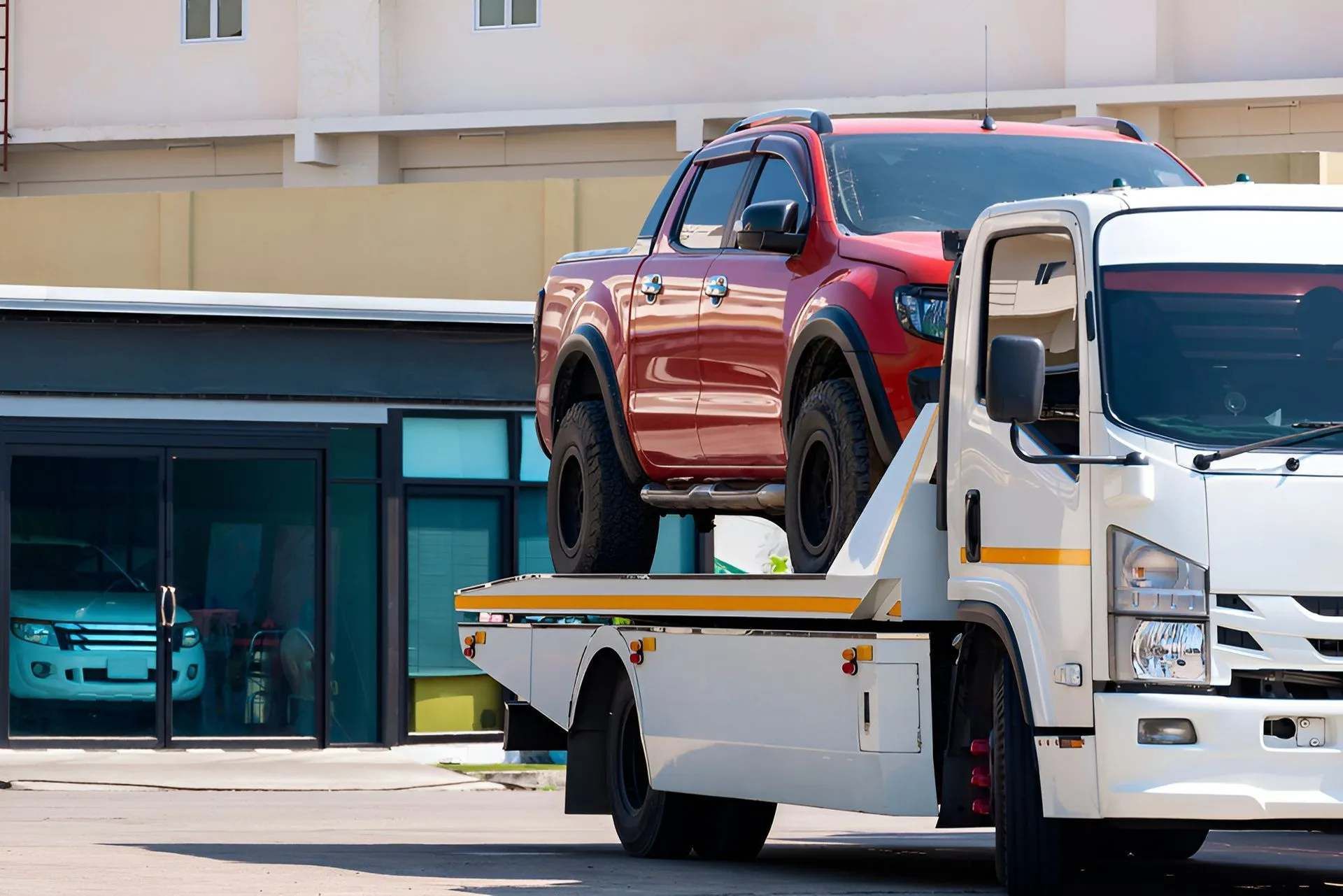
Tow Truck In Darwin Transporting Pickup Truck On Flatbed Carrier
By JEC Transport • August 20, 2026
JEC Transport offers 24/7 tow truck in Darwin, Palmerston and regional NT. Stuck roadside right now? Call (08) 8947 1870 for a fast response.
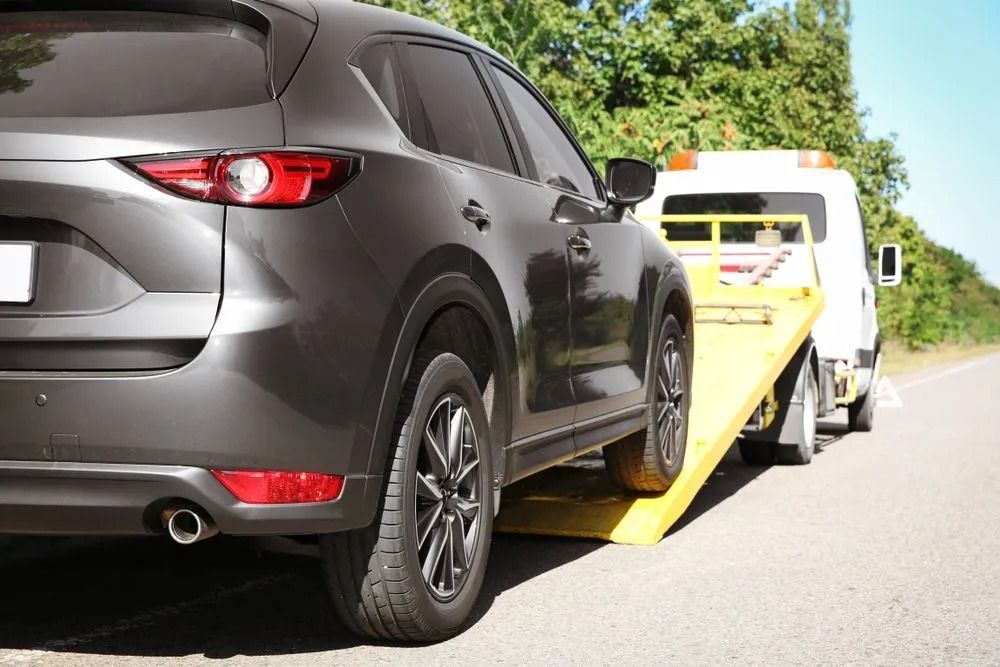
Black SUV on Towing Truck in Darwin
By JEC Transport • July 15, 2026
See how technology is improving every tow truck in Darwin with faster response times, better tracking and reliable service. Contact us today.
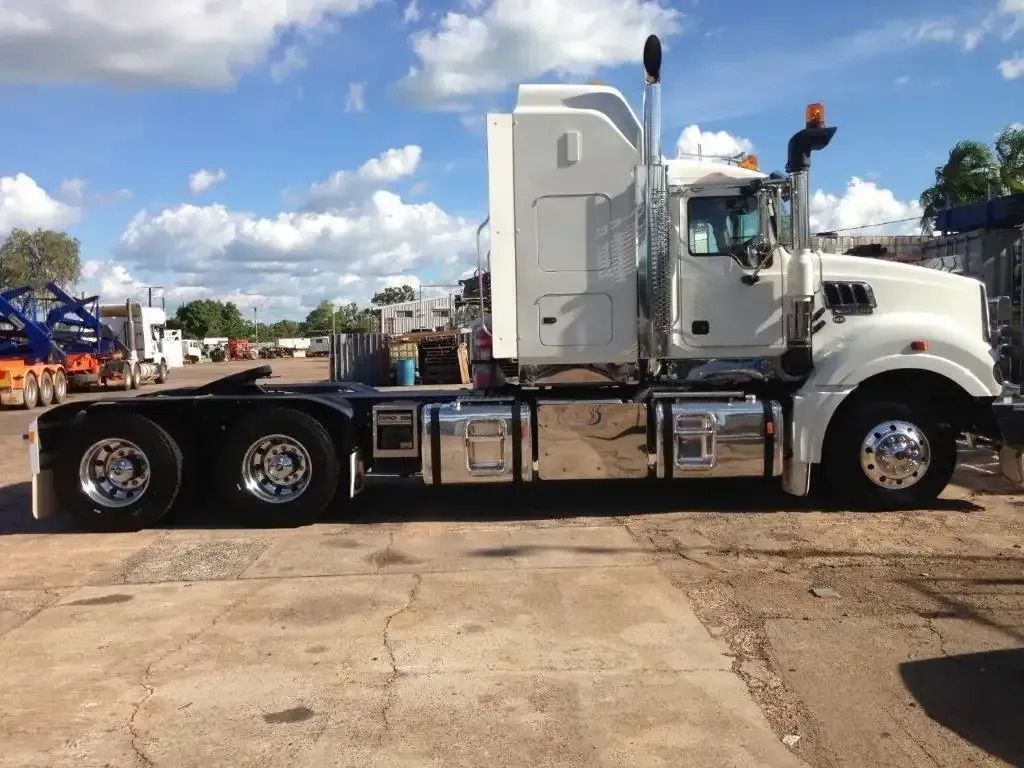
White Tow Truck In Darwin
By JEC Transport • June 10, 2026
Know when to call a tow truck in Darwin instead of driving your vehicle. Learn the warning signs and stay safe. Read our blog to learn more.
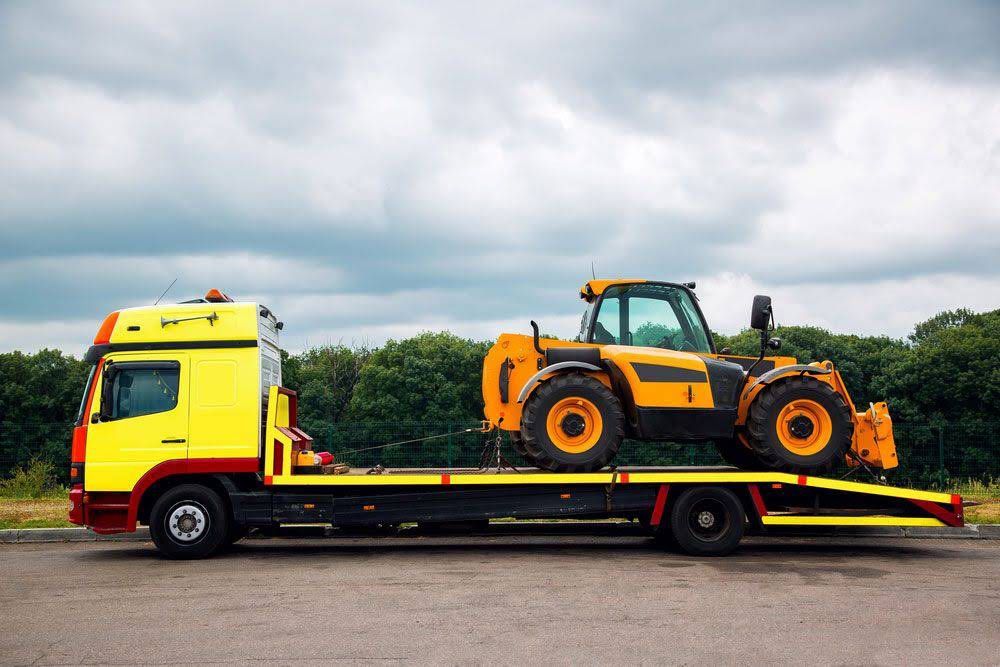
Yellow Tow Truck Bed with Machinery
By JEC Transport • May 20, 2026
Keep your business moving with professional tow truck and towing support in Darwin. Reduce downtime and book fast recovery today.
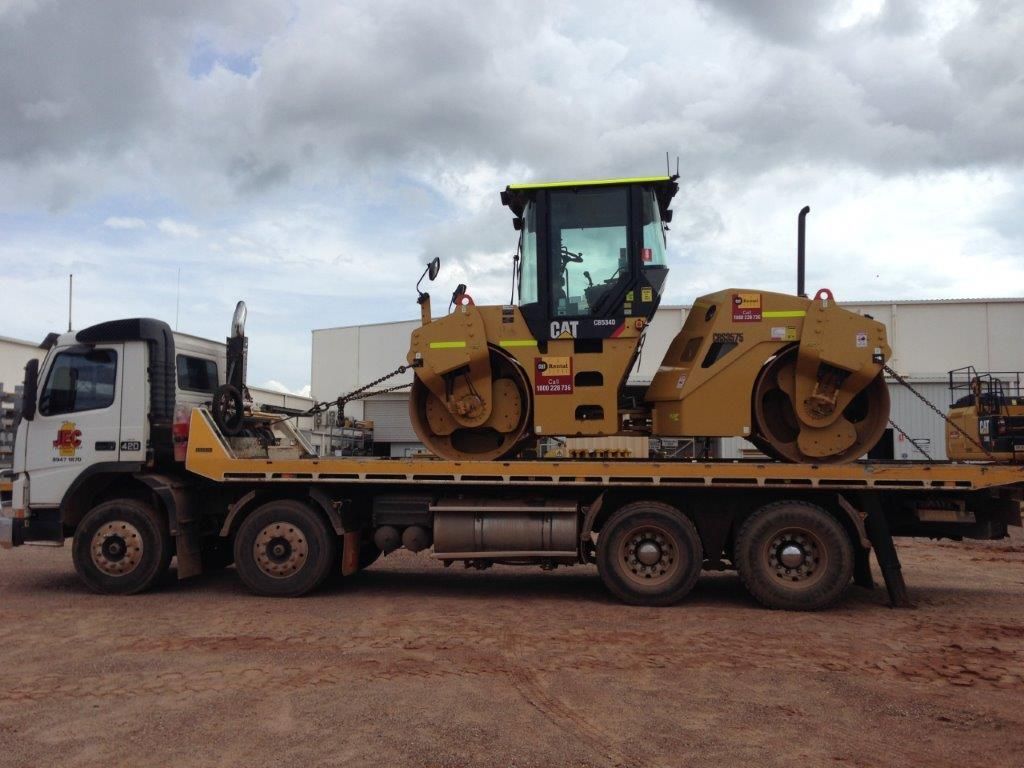
A Tow Truck With A Road Roller On Back
By JEC Transport • April 2, 2026
Choose a reliable tow truck in Darwin with experienced towing services. Avoid delays and ensure safe transport. Read our guide today.
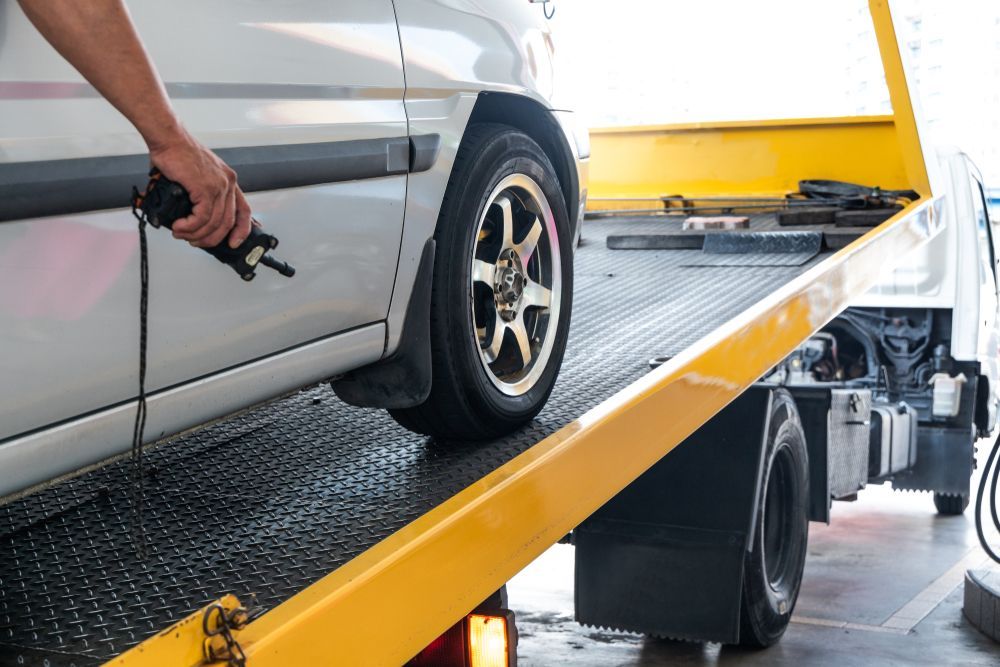
A Car Positioning Right On The Flatbed Truck
By JEC Transport • March 4, 2026
Learn why correct vehicle positioning matters when using a tow truck in Darwin. Protect your car and ensure safe towing. Read more today.
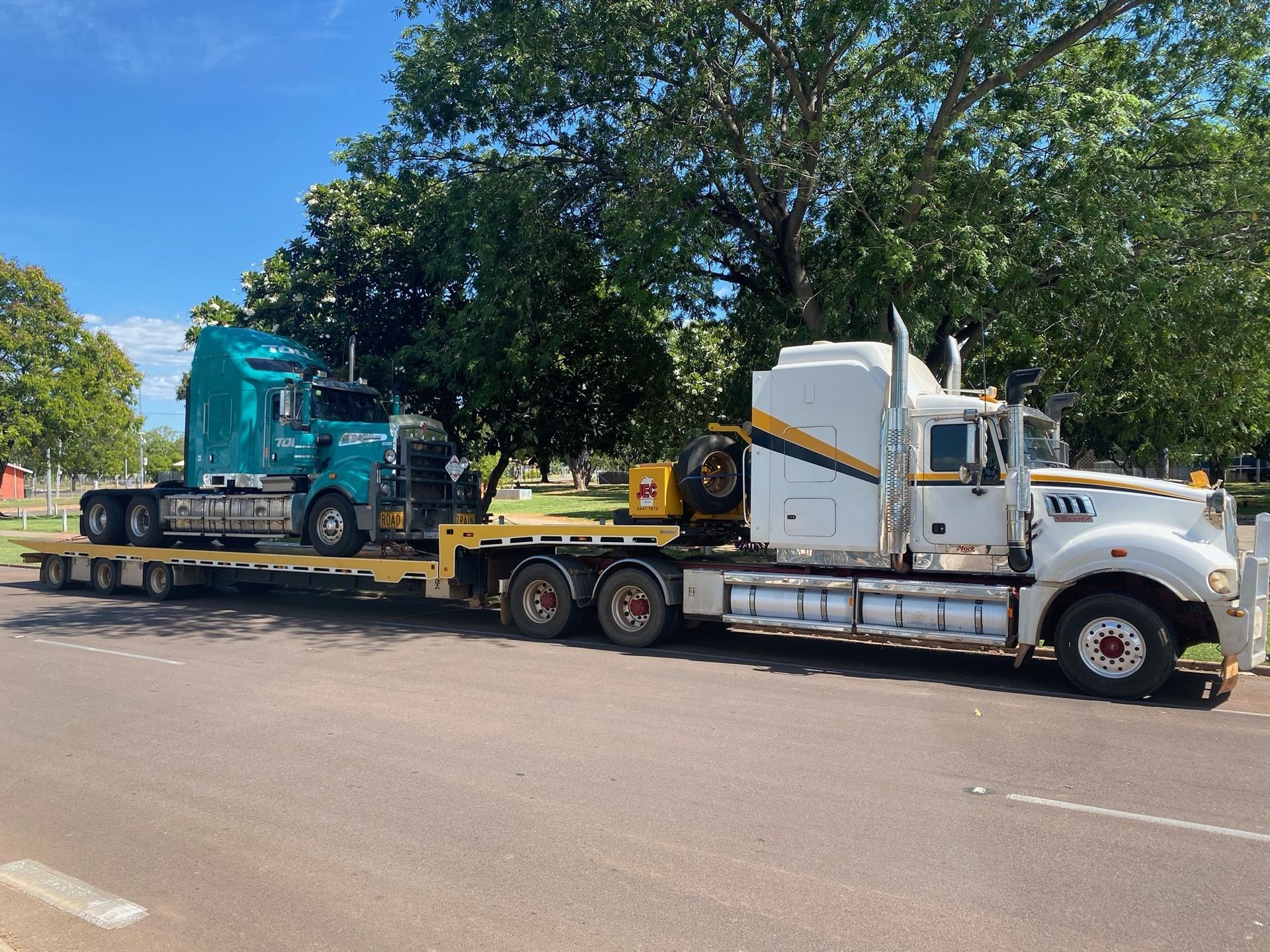
Emergency Tow Truck Parked Beside a Tree
By JEC Transport • February 12, 2026
Stay safe when breakdowns, accidents or vehicle issues strike. Call a reliable tow truck in Darwin now for fast emergency support.
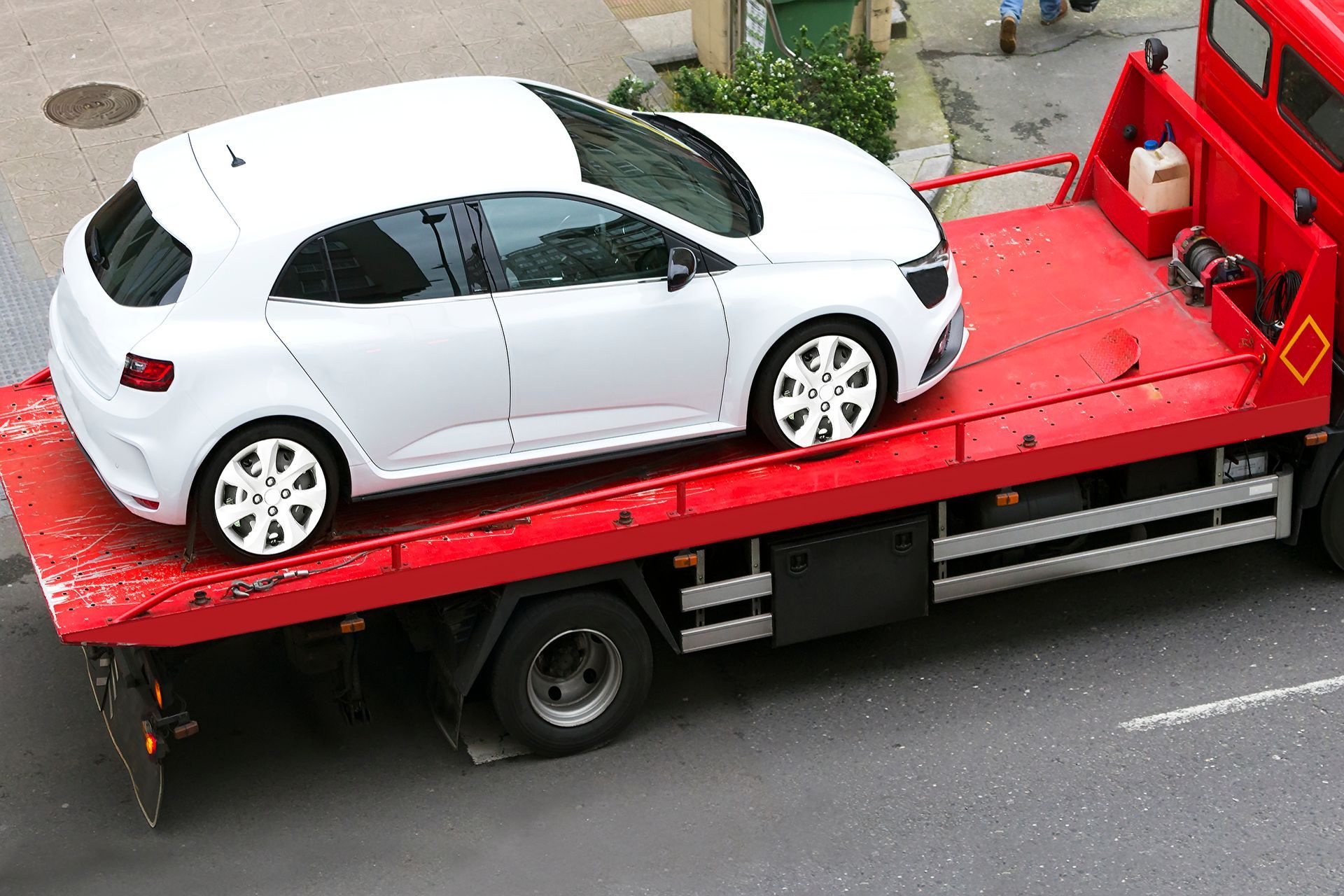
A Car On A Tow Truck
By JEC Transport • January 2, 2026
Learn what to keep ready for towing emergencies with trusted towing services in Darwin and take action to stay safe on the road.
Tractor on a Flatbed Trailer Being Hauled by a Semi-truck on a Rural Road, Sunny Day
By JEC Transport • November 21, 2025
Discover why experience matters in steel fabrication in Darwin. Skilled fabricators ensure accuracy, strength and reliable results for every project.
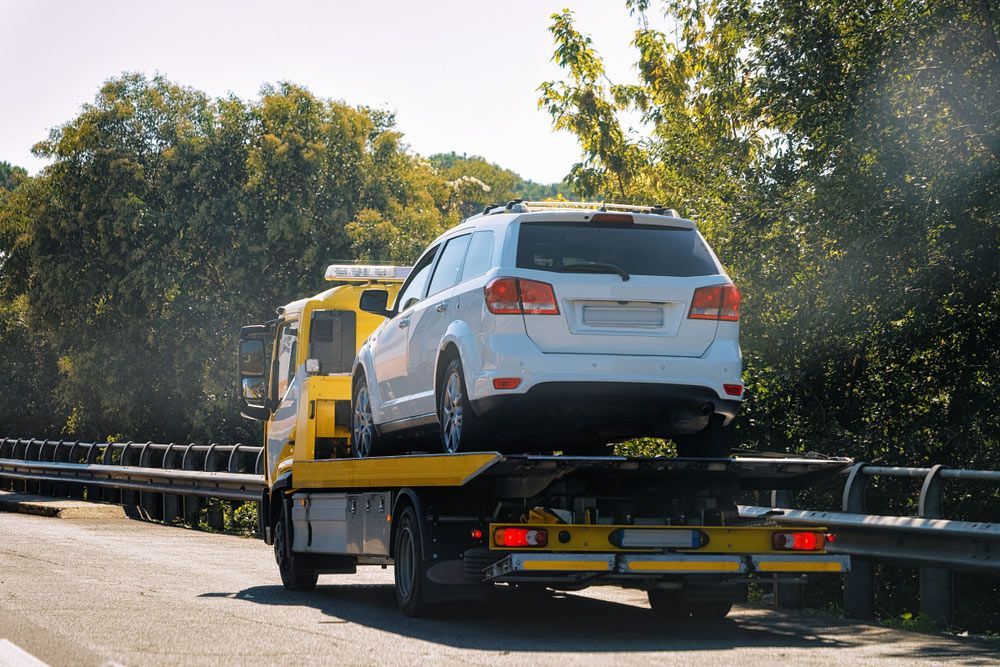
Tow Truck Assisting An Unexpected Vehicle Breakdown
By JEC Transport • October 22, 2025
Learn how to choose the right tow truck for your vehicle type to ensure safety and efficiency. Read the full guide today.
Show More