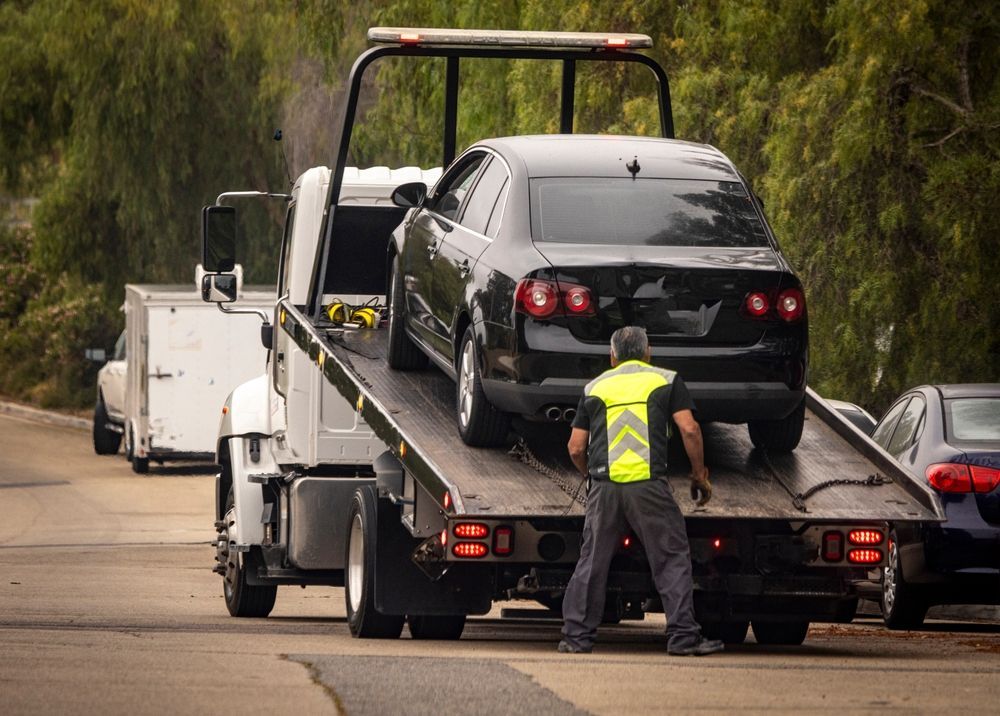
How Technology Is Improving Tow Truck Services In Darwin

JEC Transport • July 15, 2026

Your car stops on a remote stretch of the Stuart Highway. It's 38 degrees, there's no shade, and you have no idea whether a tow truck is 20 minutes away or two hours. That uncertainty is one of the most stressful parts of breaking down anywhere, but it hits differently in the NT, where towns are far apart and conditions can change fast. A tow truck in Darwin that motorists can genuinely rely on isn't just about having a truck and a driver, it's about what that truck is equipped with and how the operator manages dispatch. Technology has quietly changed both of those things, and the difference matters far more out here than it does in a compact capital city.

The Quick Answer: What Modern Tow Truck Technology Actually Changes for You

Modern towing technology doesn't just make a dispatcher's job easier — it directly affects how quickly a truck reaches you and whether your vehicle arrives undamaged. For anyone evaluating towing services Darwin operators provide, this is the real starting point.


Here's what the technology changes from the driver's seat:


  • GPS dispatch lets operators see real-time truck locations and assign the closest available rig rather than relying on memory or radio check-ins
  • Live ETA tracking means you get a realistic arrival window, not a vague estimate made at the start of a shift
  • Hydraulic tilt-tray and flatbed systems allow controlled loading on uneven or loose road surfaces
  • Load monitoring on heavier recovery jobs reduces the risk of secondary damage during transport
  • Digital job management reduces communication errors between dispatch, driver and customer


None of this replaces an experienced driver, but it gives that driver better tools to do the job properly.

How Does GPS Dispatch Get a Tow Truck Darwin Operators Send Out to You Faster?

GPS dispatch is probably the single biggest operational shift in modern towing. Rather than a dispatcher making calls based on rough knowledge of where trucks are, GPS systems show every vehicle's live location and can match the nearest available rig to your breakdown automatically.


For GPS tow truck dispatch Darwin-wide and across regional NT, this matters for a few practical reasons:


  • Trucks covering large service areas can be tracked precisely, so dispatch isn't guessing whether a truck near Palmerston or one near the airport is actually closer
  • Real-time routing can account for Wet Season road closures and flooding that affect access on certain routes
  • ETAs sent to customers are based on actual distance and current conditions, not an estimate made hours earlier
  • If a primary truck is occupied on a long-distance job, dispatch can reassign quickly without the customer waiting through a manual check


It removes a lot of the guesswork that used to make remote towing feel unpredictable.

Flatbed Hydraulics vs Older Hook-and-Chain: What's Safer for Your Vehicle?

This is one of the most common questions people have, and the honest answer is: it depends on the job. Hook-and-chain towing is not inherently dangerous when used appropriately, but it has real limitations that flatbed vs hook-and-chain tow trucks comparisons make clear.


Understanding the trade-off helps you ask the right questions before you book:


  • Hook-and-chain systems lift one end of the vehicle and drag the other on its tyres, which is fine for short distances on cleared roads with standard vehicles
  • Flatbed and tilt-tray systems load the entire vehicle onto the truck bed, eliminating tyre and drivetrain contact with the road
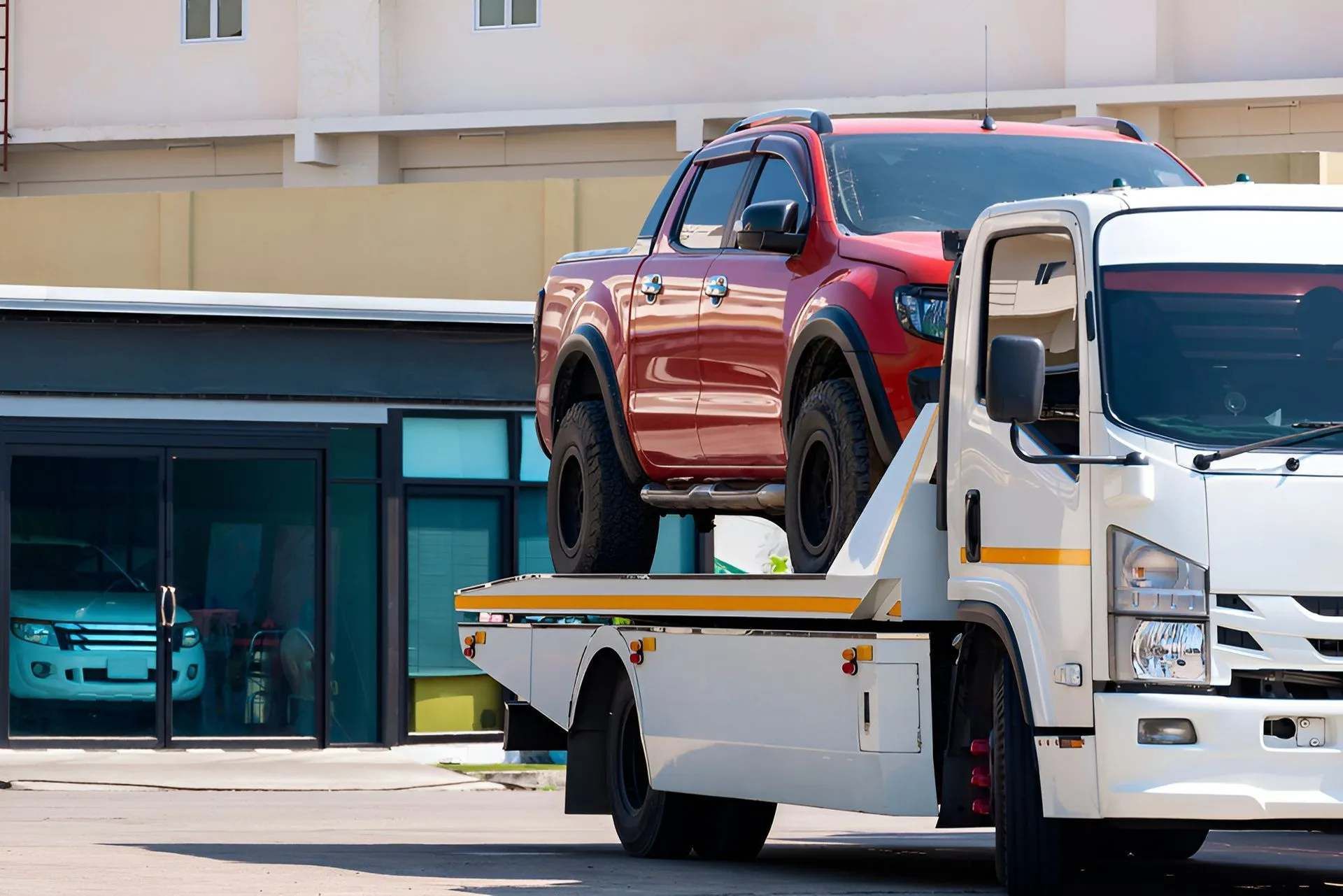
  • Hydraulic tilt-trays angle the deck down to ground level, so low-clearance cars, damaged vehicles and motorcycles can be loaded without manual lifting
  • For AWD and 4WD vehicles, a full-load flatbed is often the only safe option because towing on the rear wheels risks gearbox damage
  • Modern flatbed hydraulics are also significantly better on dirt and gravel roads, where hook-and-chain towing can cause vehicle instability


A good operator will tell you honestly which method suits your vehicle and situation, not just send whatever is available.

Why Does Technology Matter More on Remote NT Highways and in the Wet Season?

In a compact city, a tow truck that's 15 minutes late is mildly annoying. On a remote NT highway, the same delay can become a genuine safety issue. Extreme heat, limited phone reception, flooding and the distances between towns all raise the stakes in ways that don't apply in most of Australia.


Technology bridges some of those gaps in the following ways:


  • GPS-assisted dispatch reduces time spent locating breakdowns on unmarked or unfamiliar stretches of highway where street addresses don't exist
  • Digital communication between driver and dispatch allows for re-routing when roads become impassable due to Wet Season flooding
  • Load and equipment monitoring helps drivers make faster decisions about whether to attempt recovery or wait for additional resources
  • Electronic job records log location coordinates and customer instructions accurately, reducing miscommunication when mobile coverage drops in and out
  • Fleet management systems support more reliable truck maintenance scheduling, reducing the risk of a breakdown occurring on the way to a recovery


None of this eliminates the challenge of remote towing, but it makes each stage of the job more manageable.

What to Ask a Towing Darwin Operator About Their Equipment Before You Book

Knowing what questions to ask before you're stranded is more useful than scrambling for information on the roadside. If choosing a reliable tow truck company is something you've been thinking about, a credible operator will answer these without hesitation.


Before you save a number or confirm a booking, ask the following:


  • Do they run flatbed or tilt-tray trucks as well as hook-and-chain, and how do they decide which to deploy?
  • Does their dispatch use GPS tracking, and can they give you a real-time ETA?
  • What's their realistic coverage area for remote NT recovery jobs?
  • Can they handle AWD and 4WD vehicles without drivetrain risk?
  • Do they have experience with Wet Season conditions, and what's their process when access roads are affected?


Technology is only part of the picture — experience and response time matter just as much as the equipment.

What the Difference Between Tow Truck Types Means for Your Vehicle

Not every breakdown needs the same response, and understanding what type of truck is on its way helps confirm your vehicle is being handled correctly. If you're not sure what you're looking at, this guide to the types of tow trucks and their uses breaks down each rig from integrated heavy-recovery units to standard wheel-lift trucks used for everyday passenger car recoveries.


A broad fleet matters for the following reasons:


  • A mixed fleet means the operator can match equipment to the job rather than making do with whatever is available
  • Flatbed and tilt-tray trucks handle damaged, low-slung or AWD vehicles where a wheel-lift or hook-and-chain rig would risk further damage
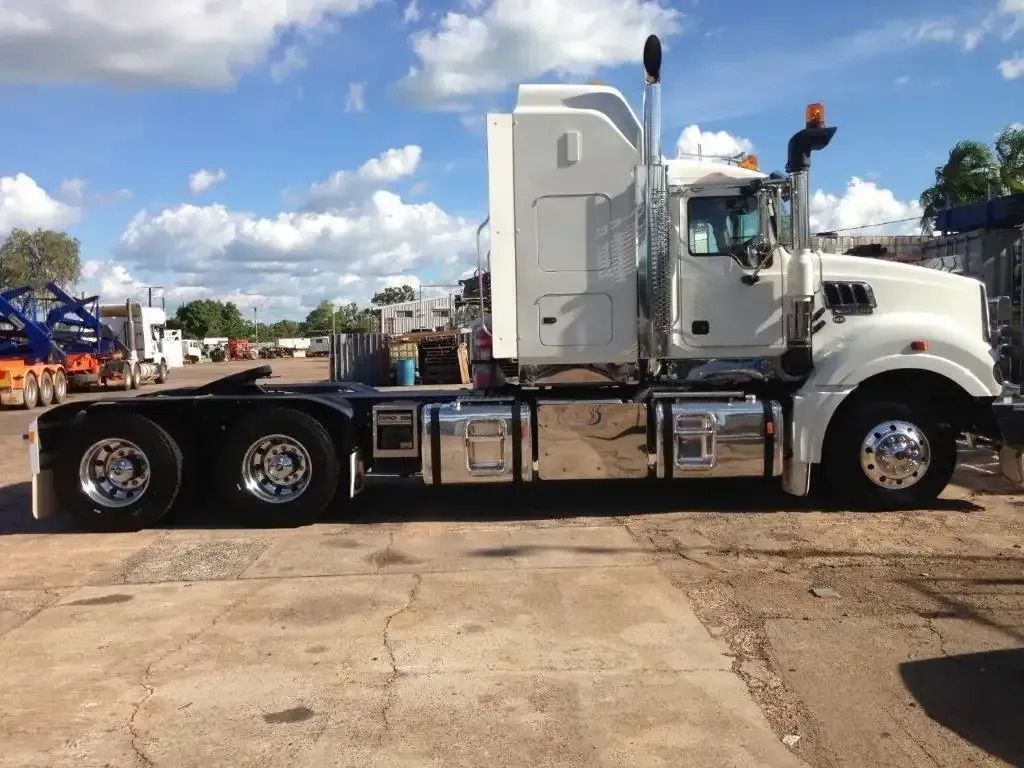
  • Heavy recovery vehicles are necessary for trucks, buses, trailers and construction machinery — a standard light-duty tow truck is not rated for that work
  • Having multiple vehicle types also means that if one truck is committed to a long-distance job, another class can cover shorter local recoveries without a gap in service


The right rig for the job is a decision that should happen before the truck leaves the depot, not after it arrives at your vehicle.

How Live ETA Tracking Changes the Experience of Waiting for a Tow

One of the less-discussed improvements in modern towing is what happens to the customer experience between the call ending and the truck arriving. Historically, that gap was a black box. You made a call, got a rough estimate and waited without any further information.


Live ETA systems change that in a few practical ways:


  • Customers receive a regularly updated time estimate based on actual truck location rather than a guess made at the time of booking
  • Some systems allow customers to track the assigned truck on a map, similar to a rideshare booking
  • Updated ETAs are pushed automatically if road conditions change the projected arrival time
  • Dispatchers can proactively contact customers if a delay is unavoidable, rather than leaving them waiting without context
  • This transparency also helps customers make secondary decisions, like calling a family member or finding shade and water if they're waiting in extreme heat on a remote road


For a breakdown on a remote NT highway at 38 degrees, that information isn't just convenient. It's genuinely useful.

FAQs

  • How do I know a tow truck is actually close to me in Darwin?

    Operators using GPS dispatch can give you a live ETA based on the truck's actual current location, not an estimate from the beginning of a shift. When you call, ask specifically whether they use GPS tracking and can confirm how far away the nearest available truck is at that moment.

  • What's the difference between a hook-and-chain truck and a modern flatbed tow?

    A hook-and-chain truck lifts one end of your vehicle and pulls it with the other axle still rolling on the road. A flatbed or tilt-tray truck loads the entire vehicle onto a flat deck, keeping all four wheels off the ground. Flatbeds are generally safer for modern vehicles, AWD and 4WD cars, and any vehicle with damage that makes rolling it risky.

  • Why do some tow trucks take longer to reach remote NT roads?

    Distance is the main factor, but dispatch inefficiency also plays a role. Operators without GPS tracking may not know which truck is actually closest to a breakdown, leading to longer wait times. Wet Season road conditions can also affect routes significantly, which is why real-time routing and communication between driver and dispatch matters for remote recovery jobs.

  • Do I need a flatbed or will a hook-and-chain tow be fine for my car?

    For most standard passenger cars on cleared roads over a short distance, a hook-and-chain tow is generally fine and there's no need to pay for a flatbed. For AWD and 4WD vehicles, low-clearance cars, vehicles with drivetrain damage, or anything travelling a long distance, a flatbed or tilt-tray is the safer choice. A reputable operator will recommend the right option for your specific vehicle.

  • How does the Wet Season affect tow truck response times in the NT?

    Flooding can close access roads and cut off certain routes entirely, forcing trucks onto longer alternatives. Operators with digital dispatch and live routing can re-plan in real time, but there are situations where access is simply not possible until water subsides. Calling ahead and getting an honest ETA that accounts for current road conditions is always the right approach.

Get in Touch with JEC Transport Today

We at JEC Transport run a mixed fleet of flatbed, tilt-tray and hook-and-chain trucks and use GPS dispatch to cover Darwin and regional NT with real-time tracking and realistic ETAs. Whether you're dealing with a suburban breakdown, a recovery on the Stuart Highway or a remote job in Wet Season conditions, our team can tell you exactly what truck is on its way, what it can handle and when it will reach you. Save our number before you need it, or get in touch now to request a quote.

White Tow Truck In Darwin
By JEC Transport June 10, 2026
Know when to call a tow truck in Darwin instead of driving your vehicle. Learn the warning signs and stay safe. Read our blog to learn more.
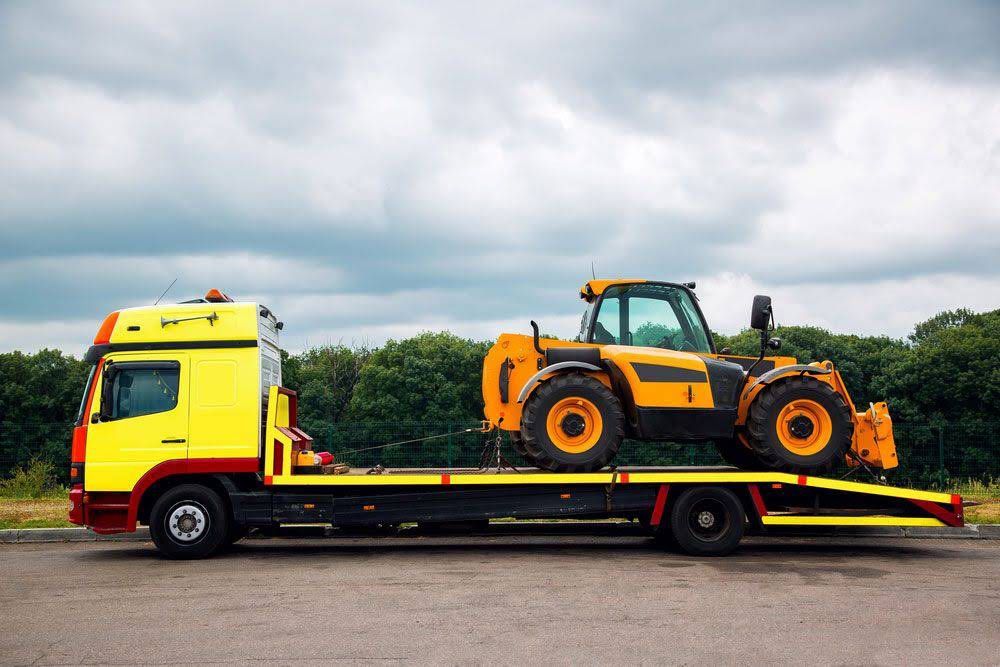
Yellow Tow Truck Bed with Machinery
By JEC Transport May 20, 2026
Keep your business moving with professional tow truck and towing support in Darwin. Reduce downtime and book fast recovery today.
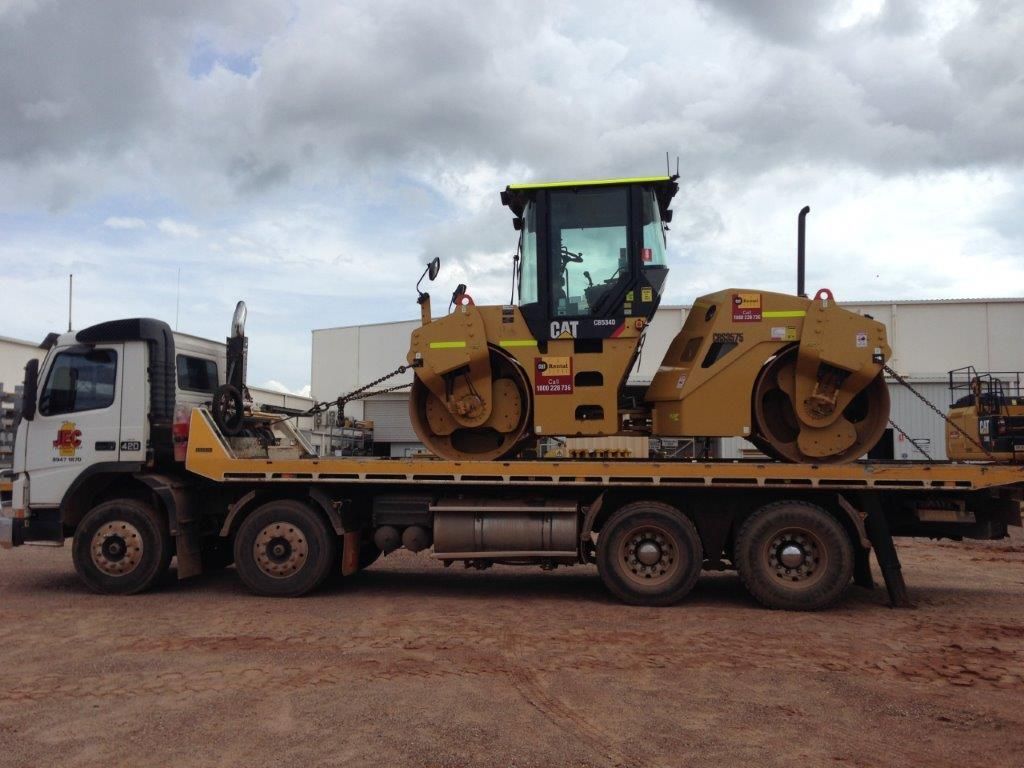
A Tow Truck With A Road Roller On Back
By JEC Transport April 2, 2026
Choose a reliable tow truck in Darwin with experienced towing services. Avoid delays and ensure safe transport. Read our guide today.
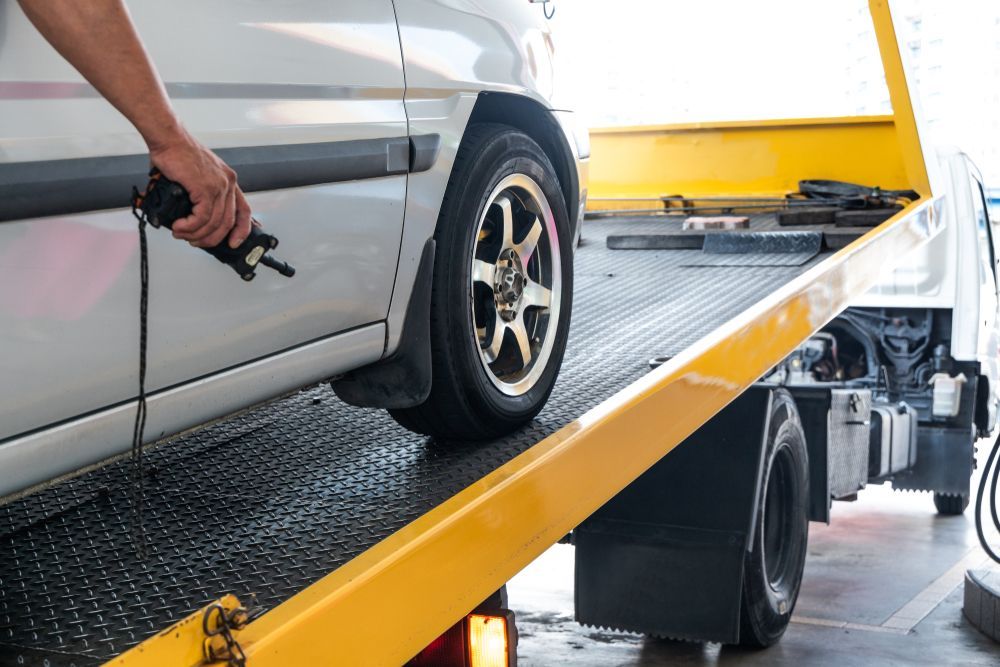
A Car Positioning Right On The Flatbed Truck
By JEC Transport March 4, 2026
Learn why correct vehicle positioning matters when using a tow truck in Darwin. Protect your car and ensure safe towing. Read more today.
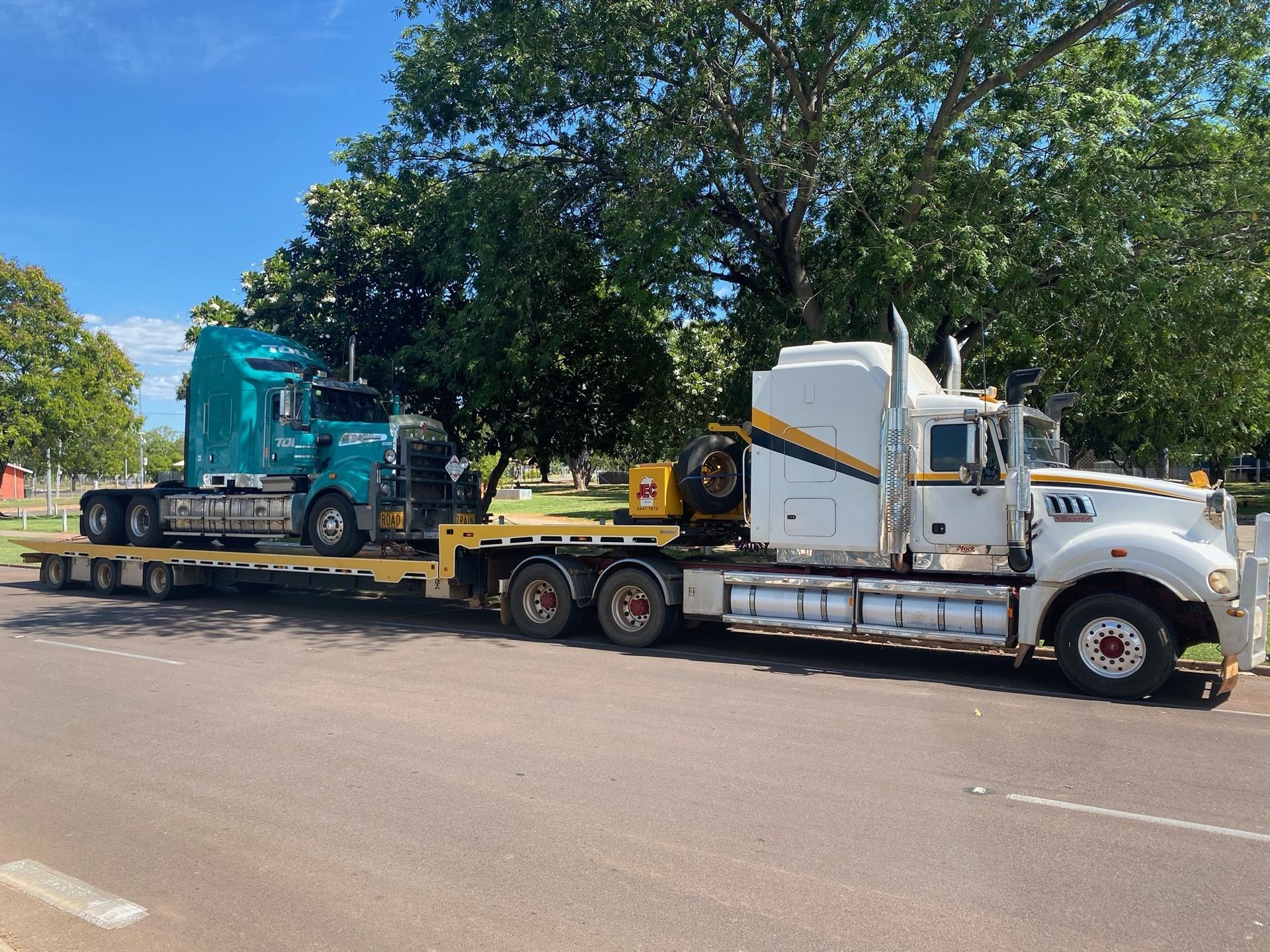
Emergency Tow Truck Parked Beside a Tree
By JEC Transport February 12, 2026
Stay safe when breakdowns, accidents or vehicle issues strike. Call a reliable tow truck in Darwin now for fast emergency support.
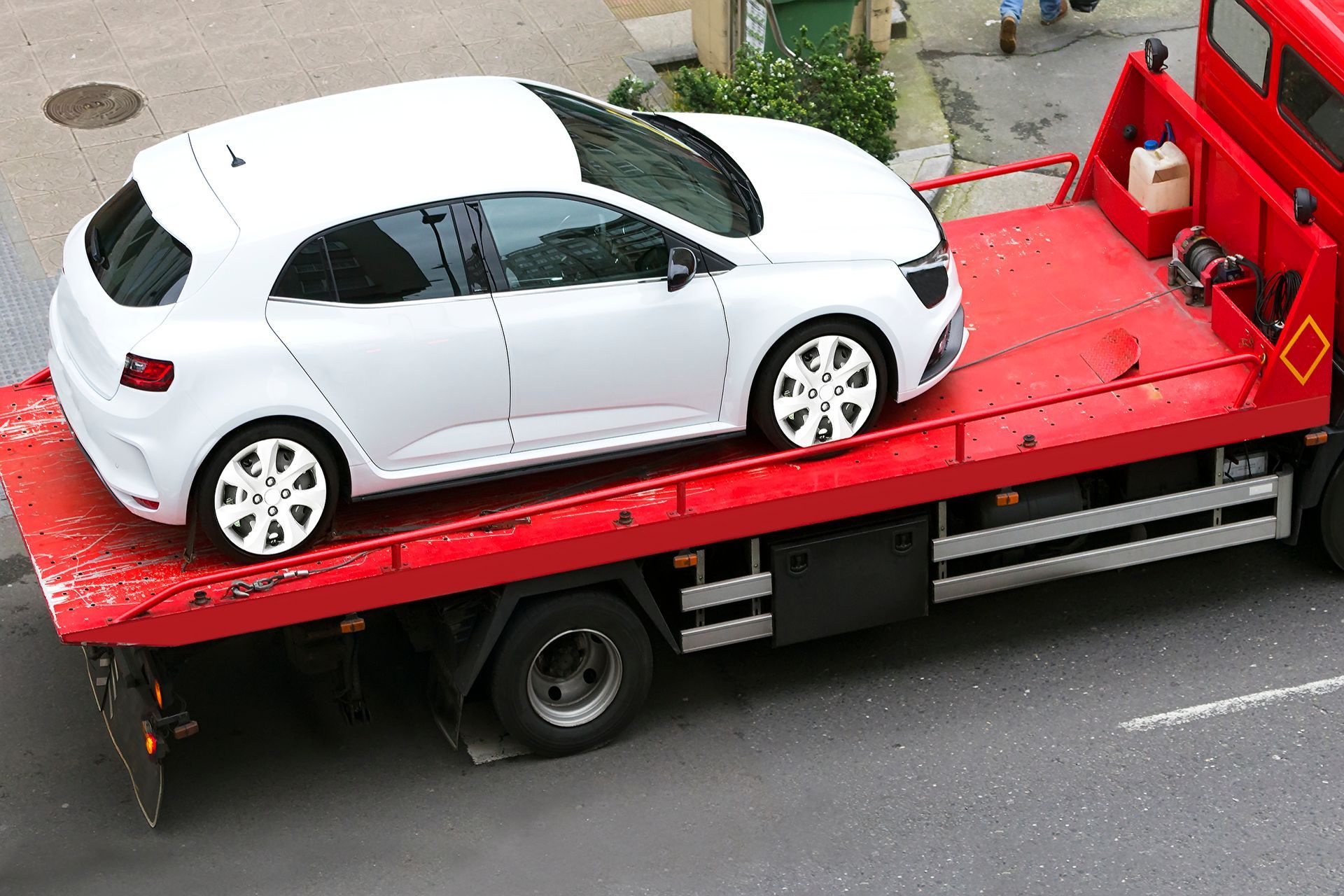
A Car On A Tow Truck
By JEC Transport January 2, 2026
Learn what to keep ready for towing emergencies with trusted towing services in Darwin and take action to stay safe on the road.
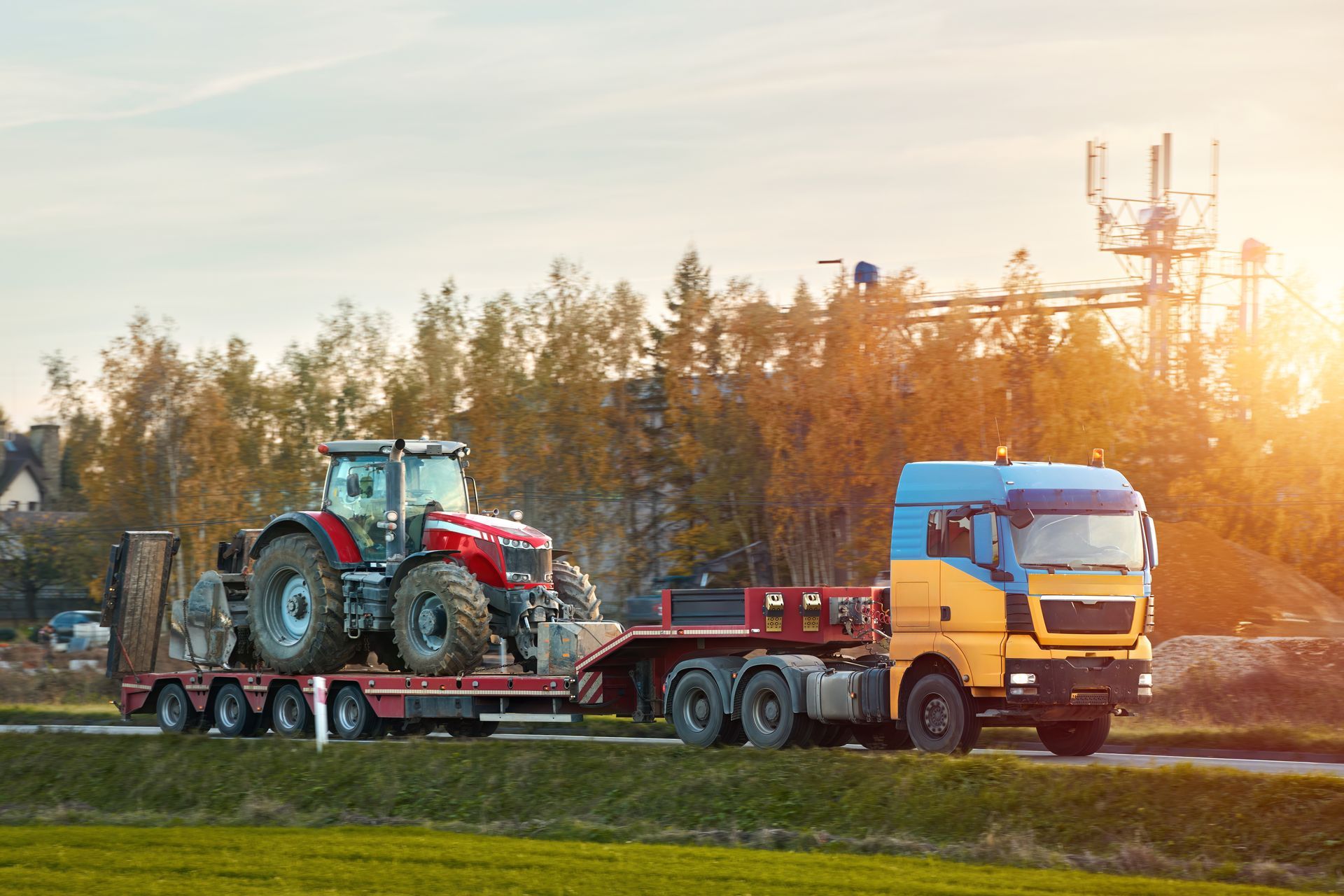
Tractor on a Flatbed Trailer Being Hauled by a Semi-truck on a Rural Road, Sunny Day
By JEC Transport November 21, 2025
Discover why experience matters in steel fabrication in Darwin. Skilled fabricators ensure accuracy, strength and reliable results for every project.
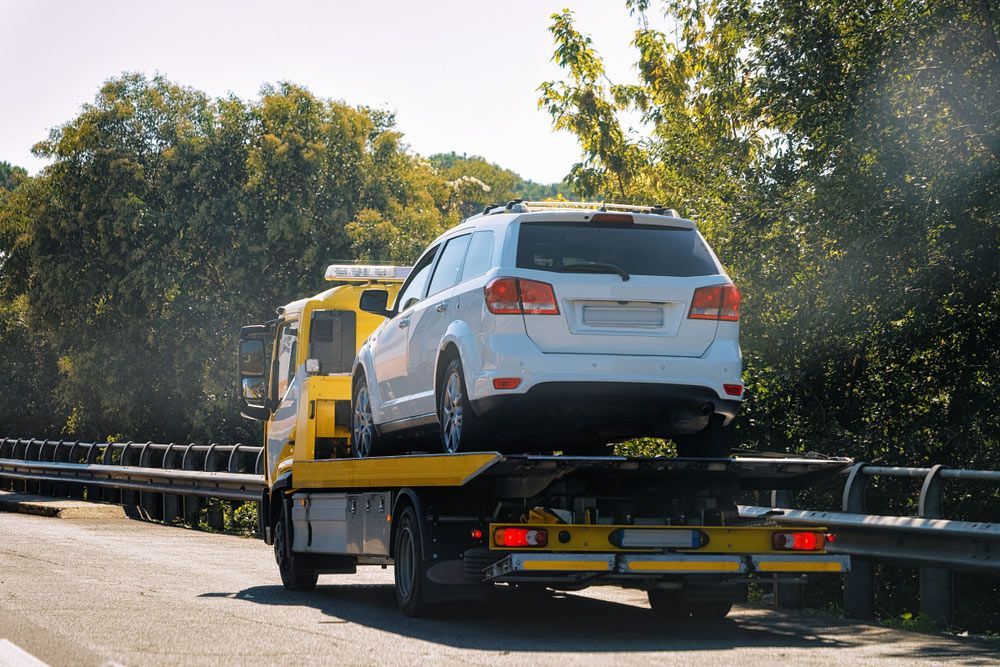
Tow Truck Assisting An Unexpected Vehicle Breakdown
By JEC Transport October 22, 2025
Learn how to choose the right tow truck for your vehicle type to ensure safety and efficiency. Read the full guide today.
White car secured on a flatbed tow truck for safe transport
By JEC Transport August 26, 2025
Darwin towing mistakes can damage vehicles. JEC Transport ensures safe, reliable towing for cars, trucks & machinery. Call us today for expert help!
heavy haulage in darwin
By JEC Transport July 21, 2025
Learn how to choose the right heavy haulage provider for your business needs. Our guide covers key factors to consider for successful logistics Read more!
Show More