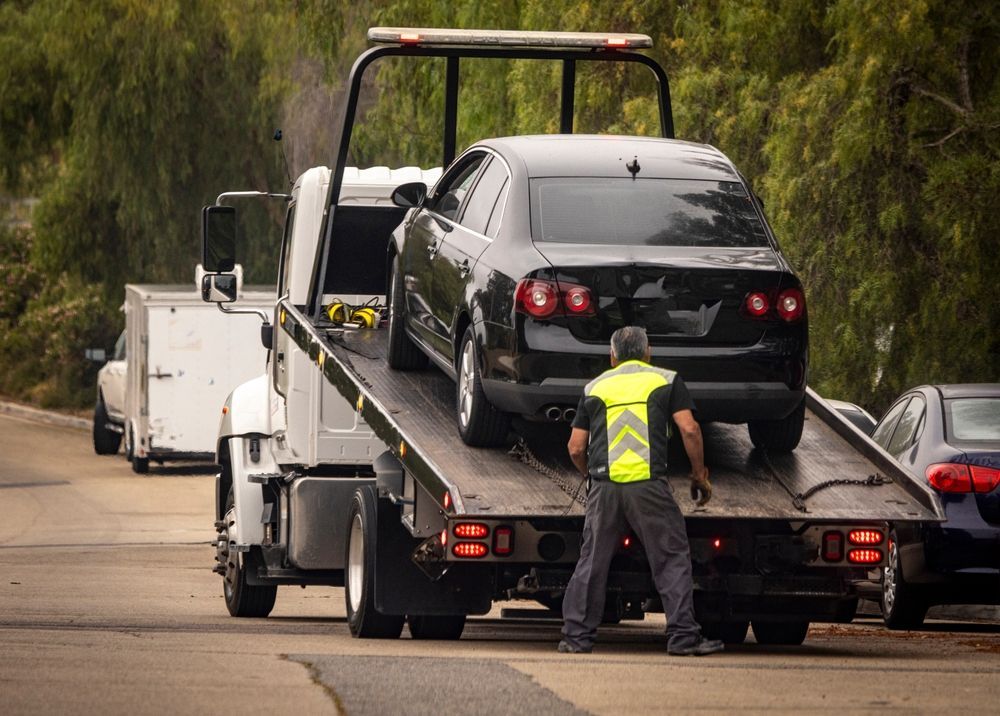
Why Proper Vehicle Positioning Is Crucial During Towing

JEC Transport • March 4, 2026

When a vehicle breaks down or is involved in an accident, most owners are focused on getting it off the road quickly. What is often overlooked is how that vehicle is positioned once it is loaded onto a tow truck in Darwin. The way a car, ute, van or light truck sits during transport can make a significant difference to its condition when it reaches its destination.


Vehicle positioning during towing is not simply about getting from point A to point B. It involves careful alignment, weight distribution and secure restraint to reduce the risk of additional damage. From flatbed transport to hook and chain methods, each towing approach requires thoughtful placement and preparation.


Below, we explore why correct positioning matters and how it plays a role in vehicle safety and mechanical protection during towing.

The Link Between Positioning & Road Safety

Towing introduces a new dynamic to road travel. The tow truck and the towed vehicle effectively become one unit, and how that unit is balanced can influence braking, steering and stability.


When a vehicle is positioned correctly on a flatbed or behind a tow truck:


  • The overall centre of gravity remains stable
  • The weight is distributed evenly across axles
  • The risk of swaying or fishtailing is reduced
  • Braking performance is less likely to be affected


If a vehicle sits too far forward or too far back on a tray, the weight distribution may place unnecessary strain on either the front or rear of the tow truck. This can affect handling, particularly during cornering or emergency stops.


For drivers searching for a ‘tow truck near me’, safety on the road is often a primary concern. Proper vehicle positioning plays a direct role in supporting that safety.

Preventing Additional Mechanical Damage

Many vehicles that require towing are already compromised. They may have suspension issues, steering damage, drivetrain faults or accident-related structural concerns. Incorrect placement during towing can aggravate these problems.


Careful positioning helps reduce the likelihood of:


  • Excessive stress on suspension components
  • Additional strain on the transmission or drivetrain
  • Undue pressure on damaged panels or undercarriage
  • Movement that may worsen existing faults


For example, loading a vehicle with underbody damage onto a flatbed requires attention to ramp angle and contact points. Similarly, when using a hook and chain setup, attachment points must be chosen with care to avoid harming sensitive components.


Thoughtful placement supports the condition of the vehicle during transit and minimises the risk of avoidable complications.

Why Flatbed Alignment Matters

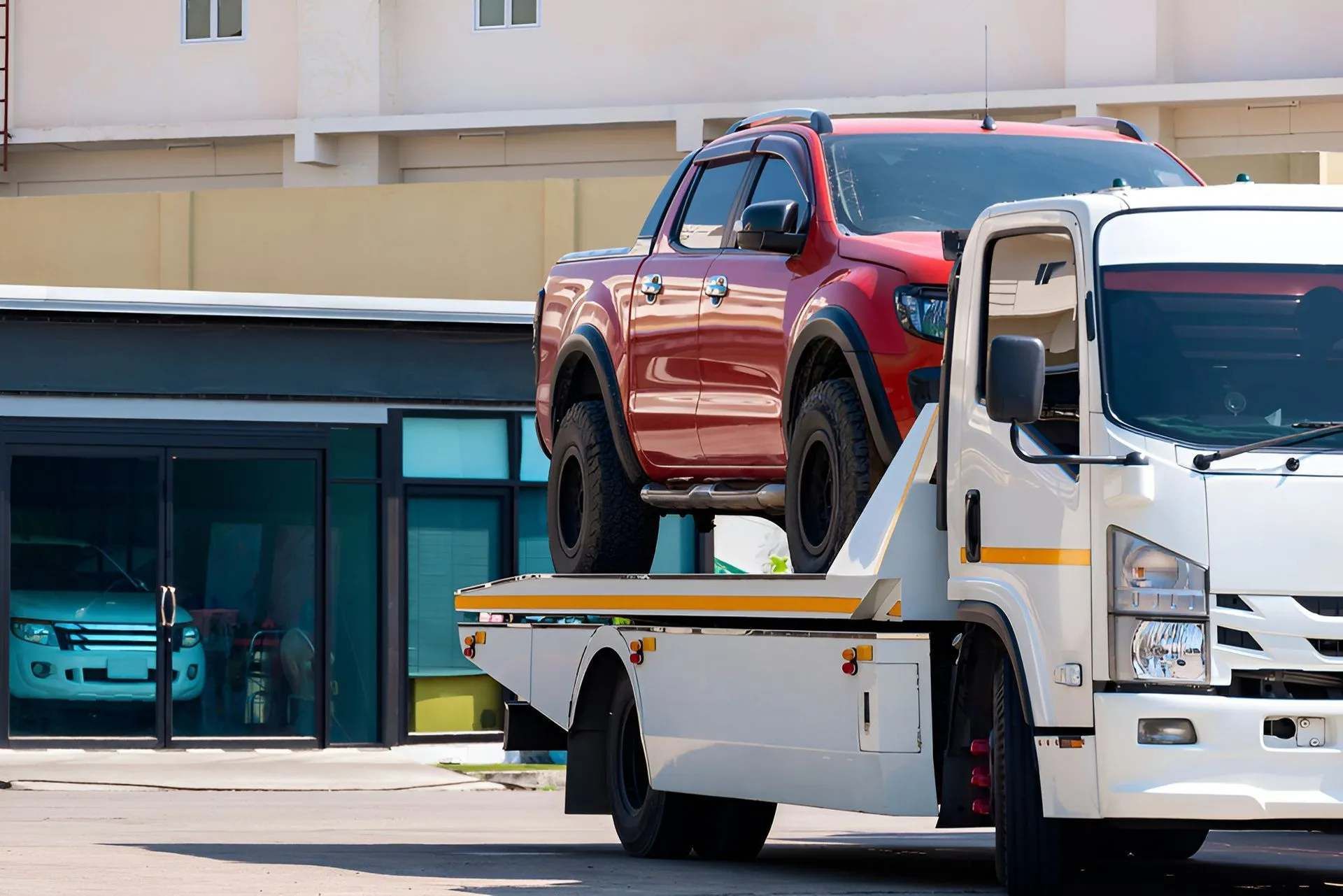
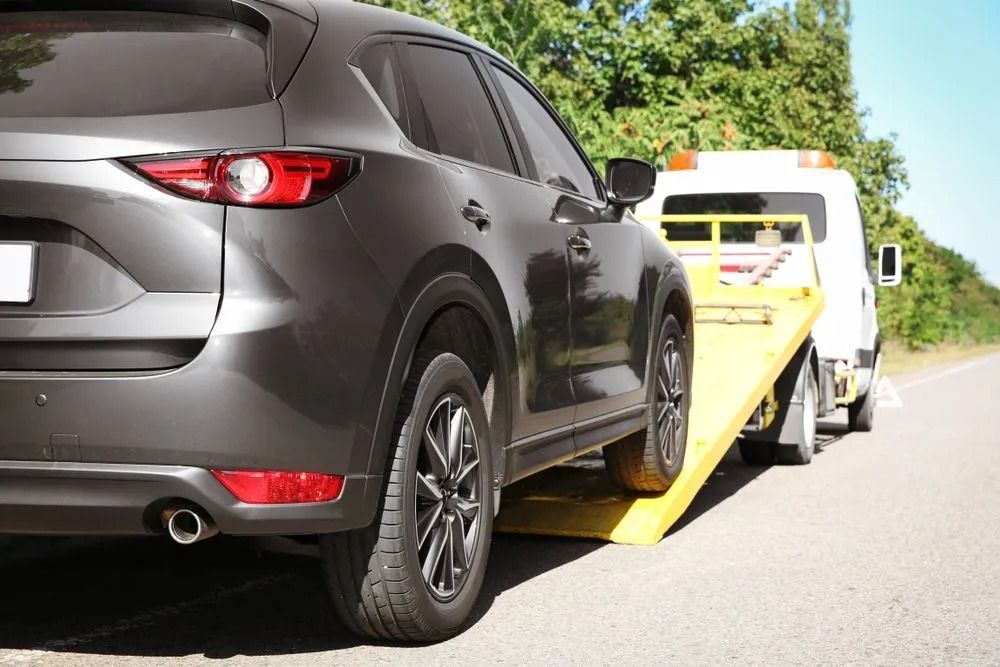
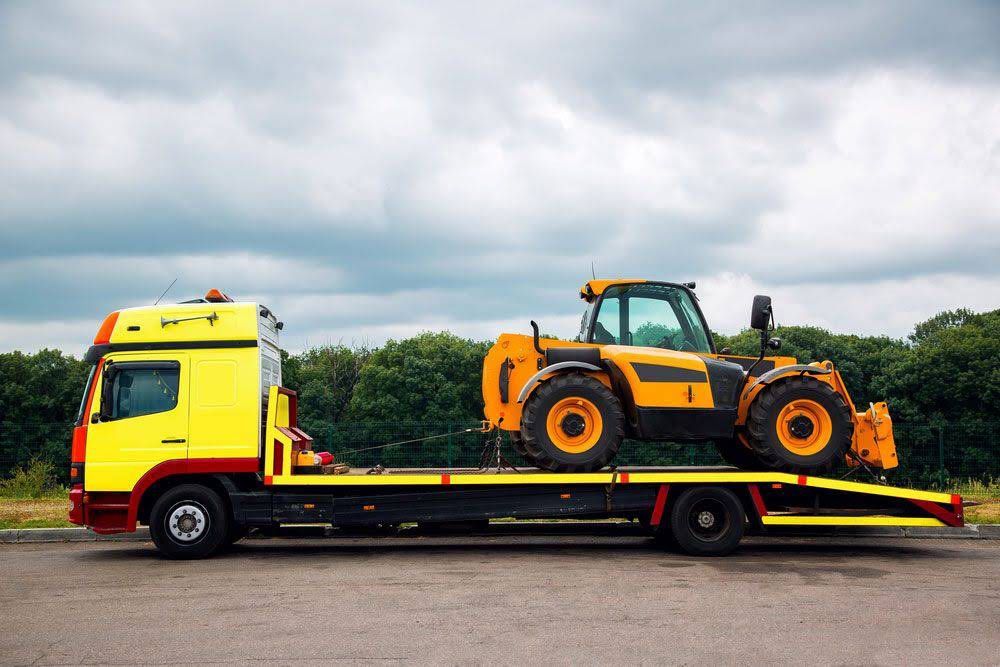
Flatbed tow trucks are commonly used for transporting vehicles with mechanical faults, accident damage or lowered suspension. With this method, the vehicle is driven or winched onto a tray and secured in place.


Positioning on a flatbed involves more than simply centring the vehicle. It typically includes:


  • Aligning the wheels straight before securing
  • Positioning the vehicle to balance weight across the tray
  • Securing all four wheels using appropriate restraints
  • Checking clearance between bodywork & tray edges


If the vehicle is too far forward, it may shift the weight distribution and impact the tow truck’s front axle load. If it sits too far back, rear axle strain can occur. Either situation may influence stability.


Correct alignment also helps reduce sideways movement during travel, particularly when navigating uneven road surfaces.

Considerations With Hook & Chain Towing

Hook and chain towing remains suitable for certain vehicles and circumstances. However, positioning is particularly important with this method because part of the vehicle remains in contact with the road.


When setting up a hook and chain tow, attention is given to:


  • Attaching to structurally sound points
  • Lifting the vehicle to an appropriate height
  • Securing loose components
  • Locking steering where required


If the vehicle is not lifted evenly or is attached at an unsuitable point, it can create uneven tyre wear or strain on the frame. In some cases, improper positioning may also result in scraping or dragging.


Vehicle type and condition play a role here. Some modern vehicles with low ground clearance or sensitive suspension systems may not be suitable for this approach, which is why selecting the right towing method matters.

The Influence Of Vehicle Type On Positioning

Not all vehicles are built the same. A compact hatchback has very different weight distribution and structural characteristics compared to a dual cab ute or light commercial vehicle.


Factors that influence positioning include:


  • Front-wheel drive, rear-wheel drive or all-wheel drive systems
  • Overall vehicle weight & load capacity
  • Wheelbase length
  • Ride height & suspension design
  • Existing mechanical or accident damage


For example, certain all-wheel drive vehicles may require all four wheels to be off the ground to avoid drivetrain strain. Lowered vehicles may need extra care when being loaded onto a tray to prevent underbody contact.


Matching the positioning approach to the specific vehicle helps reduce unnecessary stress during transit.

Securing The Vehicle To Limit Movement

Once a vehicle is correctly positioned, securing it properly is the next step. Even minor movement during transit can create friction, vibration or additional strain.


Restraint systems are typically applied to:


  • Each wheel on a flatbed
  • Frame or recovery points in hook & chain setups
  • Any loose or damaged components


Straps and chains are tensioned to hold the vehicle firmly without placing excessive pressure on delicate parts. Re-checking restraints after initial loading is also a common precaution, as weight may settle once the vehicle is fully positioned.


Movement during towing does not only risk damage to the towed vehicle. It may also affect the stability of the tow truck itself.

Protecting The Undercarriage & Bodywork

Vehicles that have been in collisions or that have experienced mechanical failure can be particularly vulnerable underneath. Oil pans, exhaust systems, transmission housings and suspension arms may already be compromised.


Careful positioning and loading help reduce the likelihood of:


  • Scraping on ramps or tray edges
  • Contact between body panels & tie-down equipment
  • Pressure on weakened structural areas
  • Further cosmetic damage


With flatbed towing, managing ramp angles and winch tension supports smoother loading. With other methods, lifting height and attachment points influence how much of the vehicle’s undercarriage remains exposed.


Preserving the condition of the vehicle during transport can simplify later repairs and assessments.

Why The Right Tow Truck Choice Matters

Vehicle positioning is closely linked to selecting an appropriate tow truck type. A mismatch between the vehicle and the towing method can complicate positioning from the outset.


Key considerations include:


  • Whether the vehicle can roll freely
  • The extent of accident damage
  • Ground clearance
  • Weight & size


Flatbeds are often suited to non-drivable vehicles, low cars and vehicles with significant damage. Hook and chain or wheel-lift options may be appropriate for certain situations where the vehicle remains structurally intact and roadworthy aside from a specific fault.


By choosing a suitable towing method, positioning can be managed in a way that supports road stability and reduces stress on the vehicle.

Get In Touch

If you are searching for a tow truck in Darwin after an unexpected breakdown, careful vehicle positioning is one of the key factors that can influence the outcome of your tow. At JEC Transport, we understand the local road conditions, traffic patterns and climate challenges that can affect vehicles during transport, and we take the time to position and secure each vehicle thoughtfully. To arrange assistance or learn more about our services, visit our website and get in touch with our team today.

Emergency Tow Truck Parked Beside a Tree
By JEC Transport February 12, 2026
Stay safe when breakdowns, accidents or vehicle issues strike. Call a reliable tow truck in Darwin now for fast emergency support.
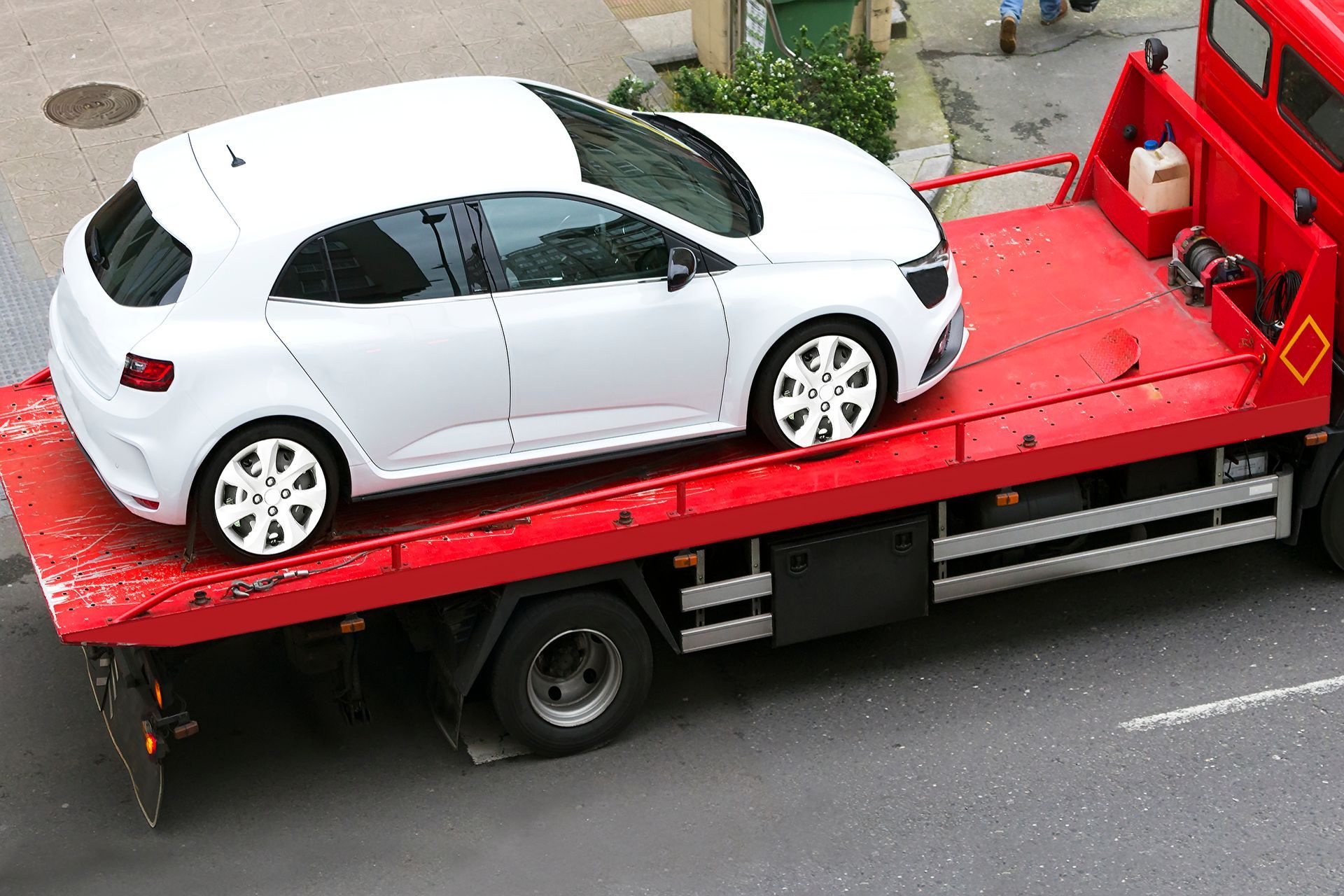
A Car On A Tow Truck
By JEC Transport January 2, 2026
Learn what to keep ready for towing emergencies with trusted towing services in Darwin and take action to stay safe on the road.
Tractor on a Flatbed Trailer Being Hauled by a Semi-truck on a Rural Road, Sunny Day
By JEC Transport November 21, 2025
Discover why experience matters in steel fabrication in Darwin. Skilled fabricators ensure accuracy, strength and reliable results for every project.
Tow Truck Assisting An Unexpected Vehicle Breakdown
By JEC Transport October 22, 2025
Learn how to choose the right tow truck for your vehicle type to ensure safety and efficiency. Read the full guide today.
White car secured on a flatbed tow truck for safe transport
By JEC Transport August 26, 2025
Darwin towing mistakes can damage vehicles. JEC Transport ensures safe, reliable towing for cars, trucks & machinery. Call us today for expert help!
heavy haulage in darwin
By JEC Transport July 21, 2025
Learn how to choose the right heavy haulage provider for your business needs. Our guide covers key factors to consider for successful logistics Read more!
Dark gray SUV being loaded onto a yellow flatbed tow truck on the side of a road.
By JEC Transport May 12, 2025
This blog post outlines essential factors to help you evaluate towing services in Darwin, ensuring you choose a reliable company for your safety and needs.
Heavy haulage tow truck
By JEC Transport April 16, 2025
Hiring a heavy haulage towing company? Ask these 8 key questions first to ensure safe, efficient transport. Read the guide before you book!
A Row of Trucks Are Driving Down a Highway — JEC Transport in Winnellie, NT
By JEC Transport March 18, 2025
Ensure safe machinery towing with these 3 essential steps. Avoid damage and delays. Read now to tow your equipment with confidence!
A Car is Being Towed Down a Highway by a Tow Truck — JEC Transport in Winnellie, NT
By JEC Transport January 29, 2025
Properly prepare for vehicle transport with this step-by-step guide. Ensure a smooth, damage-free move. Follow these tips today!
Show More